


How to Integrate Nature Into Your New York Building Design
April 10, 2023
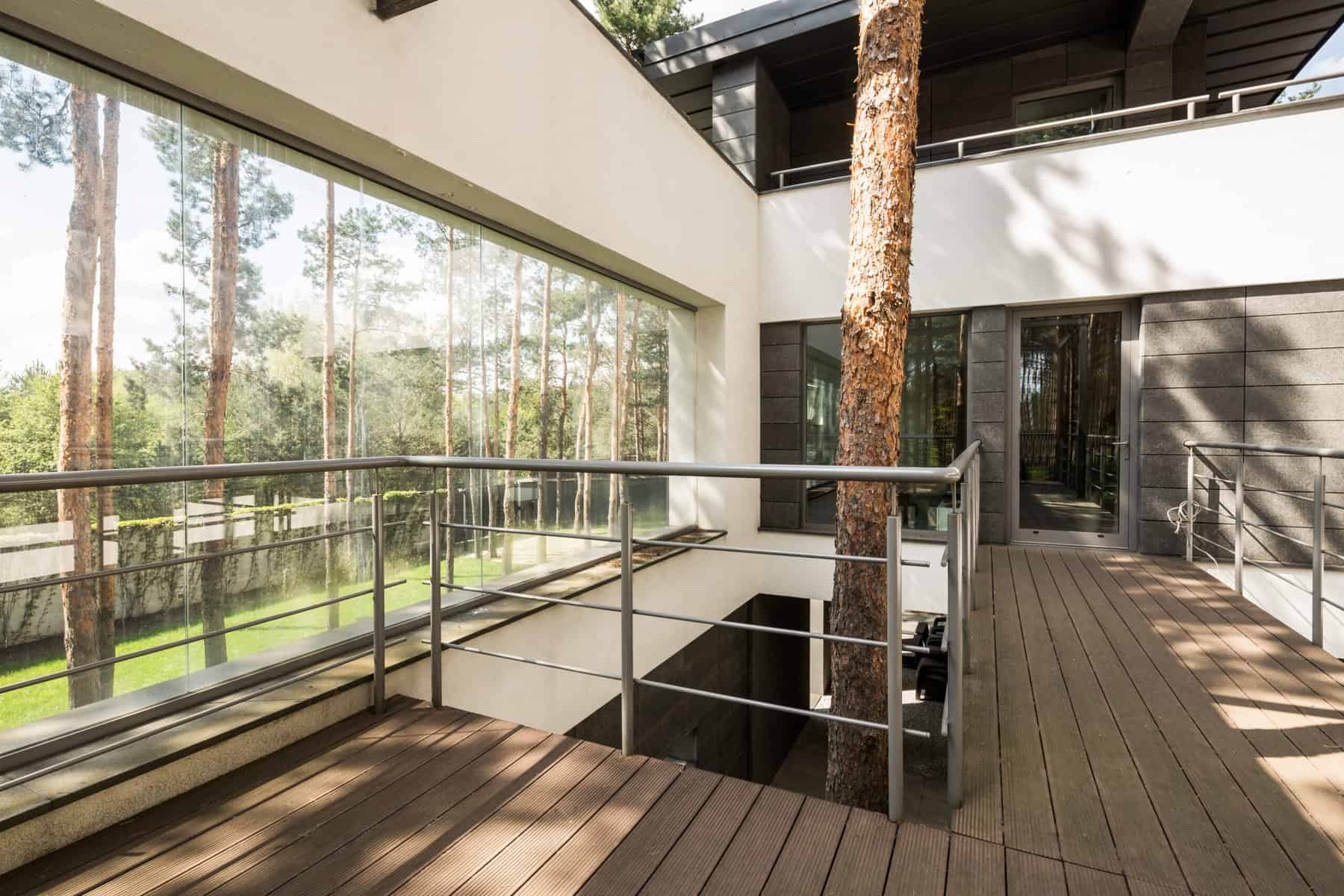
Living in urban areas like New York City certainly has its perks. However, with property prices high and plots of land highly sought after, having enough space for a yard is far from guaranteed. Even with plenty of suburbs and fast-growing cities to choose from, New Yorkers looking for some kind of green sanctuary should expect to pay top dollar for it.
So, with urban design not always lending itself to the enjoyment of nature and sustainable living, it might be up to you to get creative (with a little help from your architect of course!).
Even though many urban environments offer access to community gardens and green spaces, there’s nothing quite like having your own natural environment to enjoy. From a townhouse with a small patio to an apartment block with a green roof — great architecture is all about improving your quality of life with small touches that do something positive for your well being.
But what if you’re building a residential home in New York, and the plot of land you’re working with just isn’t matching your design vision?
If you’ve always had your heart set on green space around your property, we understand that it can be difficult to let go of this dream. To help, we’re here to offer tips on how to integrate nature into your New York building design and give the effect of more outdoor space.
Let’s get started.
For urban dwellers wanting to reduce stress in their lives and build a home that balances city life with a more healing environment, nature should always be a key part of your home design. However, with urban planners usually having a different design approach in mind, plots with private green space are a rarity.
That said, if it’s your dream to have a New York home that feels pure in its environment and offers plenty of natural elements — a good architect will still be able to deliver. Architects and development firms don’t just create buildings; they solve design challenges.
One popular method of integrating more nature into your home is to take a biophilic design approach. A method of connecting humans with nature through their environment, biophilic design can be applied to everything from luxury homes to workspaces.
Some ways your architect can leverage biophilic design include:
- Using more natural materials
- Embracing shapes of nature
- Incorporating water elements such as an indoor fountain
- Creating open spaces, e.g. conservatory-style design
- Replicating natural environments wherever possible, e.g. rainfall showers, stone flooring
- Being mindful of sustainable design considerations, e.g. natural systems for waste disposal and water reuse
- Considering the addition of green roofs (learn more here)
Maximizing your exposure to natural light is one of the most effective ways to integrate nature into your home. A great way to create healthier habits and improve your mental health, it’s not just indoor plants that are strongly affected by bright spaces!
But how can architectural design be centered around creating as much light as possible in your New York home? Some of our favorite ideas include:
- Installing large windows and skylights
- Tracking the placement of the sun around your property and leveraging the positive effects of the sun across your design, e.g. positioning a balcony in an area with evening sun
- Bringing the ‘outdoors inside’ with large doors that can merge a small patio area with rooms such as a dining area or living room
- Creating an open floor plan with no walls to block out light
- Using reflective materials such as glass or polished metal
But what if large windows and open floor plans aren’t your thing?
Not everyone enjoys openings that offer a glimpse into your private space. However, even if you prefer darker and more cozy homes, access to light is still integral to your overall well being. In this case, your architect will just need to consider other ways to introduce a feeling of light into your home.
This is where lighting architecture can come in. An experienced architect should have an in-depth knowledge of how important good lighting is to a home. This means with the right team, your New York residence can benefit from artificial lighting that can:
- Be seamlessly integrated into walls, floors, and ceilings
- Leverage smart technologies
- Create the exact type of ambience you want in your home
- Provide a variety of both warm and cool tones
- Offer efficient and low-cost energy use
Whether it’s health benefits, economic benefits, or design benefits you’re seeking from good lighting in your home — a great development team should be able to help!
Tip: Architects sometimes like to use the term “daylighting” to re
Don’t have space on your New York plot for that large garden you want? Don’t worry, it’s still possible to access that ‘outdoor living’ way of life.
For example, adding balconies to your property is a great way to create several unique outdoor spaces, even with limited space.
Whether you want a small area to enjoy a glass of wine in the evening or a space to grow plants or practice yoga, you can create an outdoor sanctuary to escape to… even in a city environment!
Just some examples of balconies include:
- A French balcony (also known as a ‘Juliet balcony’)
- Cantilevered balcony
- Hung balcony
- Stacked balcony
- False balcony
- Mezzanine balcony
- Loggia balcony
Tip: If you want to add balconies to your design, ensure you have th
natural materials can be a great way to celebrate biophilic design. But how exactly can natural materials be used to elevate your design and enhance the feeling of nature in your home?
Just some examples of how your development team can include natural materials in your home’s design include:
- Playing around with different types of wood to add a unique design aesthetic to your space
- Incorporating materials such as bamboo or natural stone to add a more earthy touch to kitchens and bathrooms
- Using materials such as iron to add an industrial twist to your structure
- Leaving some materials in their raw form (e.g., brick) to bring a sense of outside environments into your home
Tip: It can also be a good idea to consider recycled materials and offcuts during the building process. Many modern architects are experienced in sustainable building practices, so mention this to your team if you’d like to reduce waste on your building site!
The great thing about a built environment is that it can become whatever you want it to be. From creating a natural world indoors to reducing stress with small reminders of nature, our team of architects and construction specialists can deliver the design approach you’re looking for.
As a full-service construction and development firm, we can help bring your building design to life from start to finish. Whether we’re brought on board to assist with land purchasing or join your construction at a later point, our multidisciplinary team is on hand to exceed your design expectations.
With an extensive portfolio of aesthetic, functional, and sustainable designs — our team is perfectly positioned to meet your exact design needs. Utilizing sustainable building practices and fully accredited to deliver projects to the highest possible standard, we understand what great, forward-thinking design looks like.
To learn more about what Argo Design & Development can do for you, contact our team to discuss your New York or New Jersey-based property.
Other blogs




10 Tue, 2023
Benefits of Buying New Construction Home
Seeking a new place to call home is a significant undertaking. When you’re in the buying phase, the prospect of envisioning your ideal living space and must-haves is exhilarating. However, a crucial decision must be made: do you want a home with a history, possibly requiring renovations, or a newly constructed property? A “new construction”…
Show more